
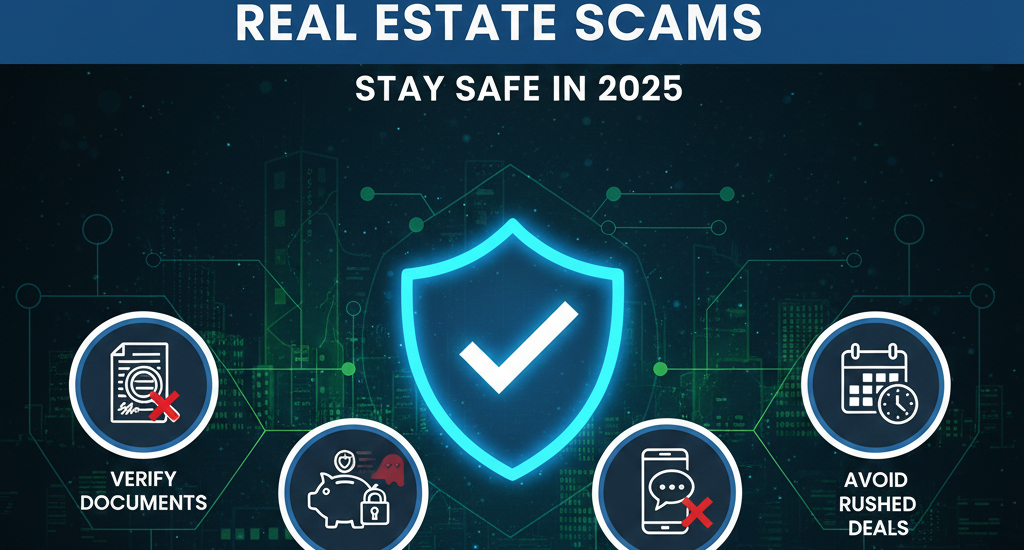
The real estate market in India continues to grow rapidly, but with this growth comes an increase in sophisticated scams targeting homebuyers. From fake listings to fraudulent builders and misleading offers, many buyers fall into traps that lead to financial loss and emotional stress. As we move into 2025, staying informed and alert is more important than ever.
To help you protect your investment and make safe property decisions, here’s a complete guide on how to avoid common real estate scams.
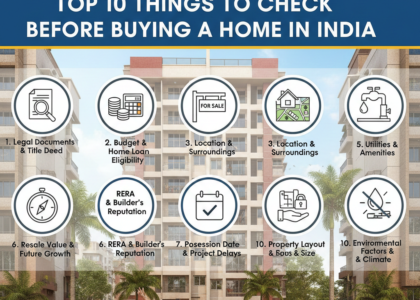
1. Always Verify the Property’s RERA Registration
RERA (Real Estate Regulatory Authority) has dramatically reduced fraud in real estate.
Before buying:
- Check the project’s RERA number
- Verify project details on the state RERA website
- Confirm the builder’s registration status
If a project is NOT RERA-registered — it’s a red flag.
2. Beware of Fake or Unrealistic Listings
Scammers often post attractive listings with:
- Extremely low pricing
- Beautiful images taken from the internet
- Fake location details
Always cross-check:
- Owner/agent identity
- Property photos through a physical visit
- Exact location on Google Maps
- Reviews or feedback if available
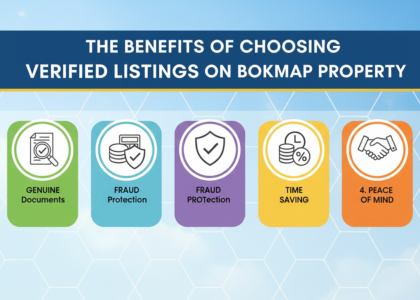
Platforms like Bokmap Property help reduce these risks with verified listings only.
3. Do Not Pay Any Money Without Documentation
Never make payments based on verbal promises.
Before transferring even ₹20,000:
- Demand proper receipts
- Check sale agreement drafts
- Verify builder’s authorization to sell
- Ensure your payment is made to the official company account
Scammers avoid paperwork — legitimate sellers never do.
4. Cross-Check Builder Reputation
A growing number of scams involve fake builders or new names pretending to sell property.
Before trusting any developer:
- Research completed projects
- Read customer reviews
- Visit previous project sites
- Look for delays, disputes, or legal complaints
If the builder has no track record, be extra cautious.
5. Beware of “Too Good to Be True” Offers
Common scam lines include:
- “50% discount if you book today!”
- “No documents needed!”
- “Guaranteed double profit in 2 years!”
Real estate is a long-term investment.
Unrealistic deals almost always hide something.
6. Verify Land Ownership and Legal Documents
Always check:
- Land title documents
- Tax receipts
- Approved building plans
- Encumbrance certificate
- NOC from local authorities
Hire a real estate lawyer if needed — it’s worth the cost.
7. Avoid Paying Cash
Scammers often insist on cash payments to avoid traceability.
Always pay through:
- Bank transfer
- Cheque
- UPI (only to verified accounts)
This creates proof of payment and protects you legally.
8. Check for Hidden Charges
Unscrupulous agents/brokers may hide charges like:
- PLC (Preferential Location Charge)
- Extra parking fees
- Maintenance advances
- GST or registration fees
Ask for a complete cost sheet before agreeing to anything.
9. Inspect the Property Physically
Never rely 100% on online photos.
A physical visit helps you check:
- Construction quality
- Surroundings
- Ventilation
- Real size compared to floor plan
If the seller refuses a site visit — walk away.
10. Use Trusted Platforms & Agencies
To avoid interacting with fake sellers, always use trusted platforms like:
- RERA-verified portals
- Verified listing websites
- Registered real estate agents
Platforms like Bokmap Property ensure properties are checked, verified, and listed only after confirming authenticity.
Final Thoughts
Real estate scams are evolving, but so are the tools to protect buyers. By staying informed, doing proper verification, and using trusted channels, you can avoid fraud and make secure decisions. In 2025, safety lies in awareness — and a little caution goes a long way.
If you’re planning to buy a home this year, choose verified listings and trusted developers to ensure a smooth, transparent, and secure home-buying journey.